Who else lives here?
The wombats were here long before we were.
The wombats were here long before we were. Wombat’s Den is a registered Land for Wildlife property, and our 35 acres of bush, lake and creek are home to a lot of neighbours.
No one here keeps to a timetable, and that’s part of the pleasure. Sitting quietly on the porch around dawn or dusk usually gives you the best chance of spotting someone.
Wombats
Wombats come out towards evening to graze. Their square droppings sometimes turn up on logs and rocks along the tracks, a sure sign one has passed by. If you meet one, enjoy the moment from a safe distance and let it continue on its way.
Wallabies, kangaroos and lyrebirds
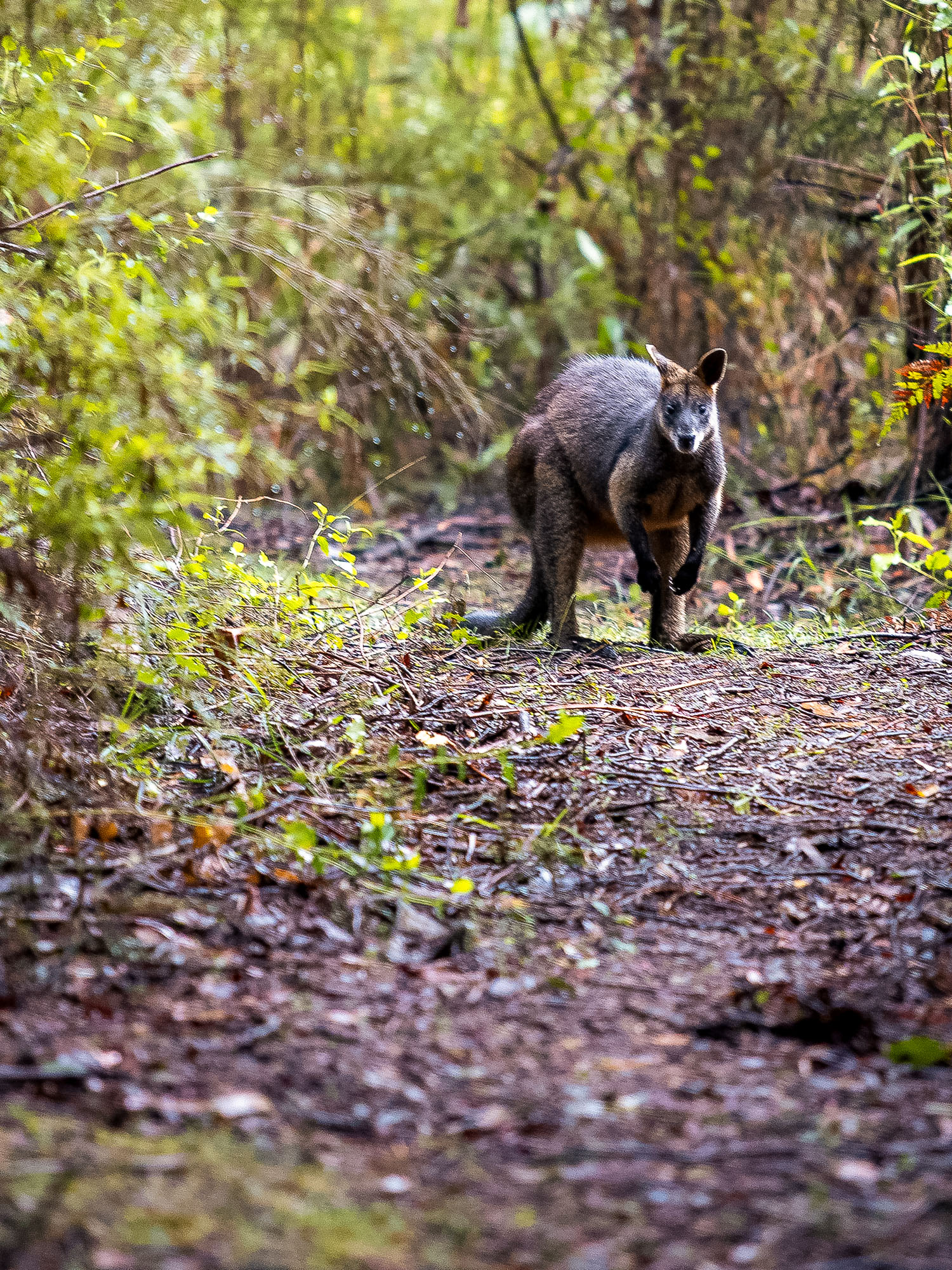
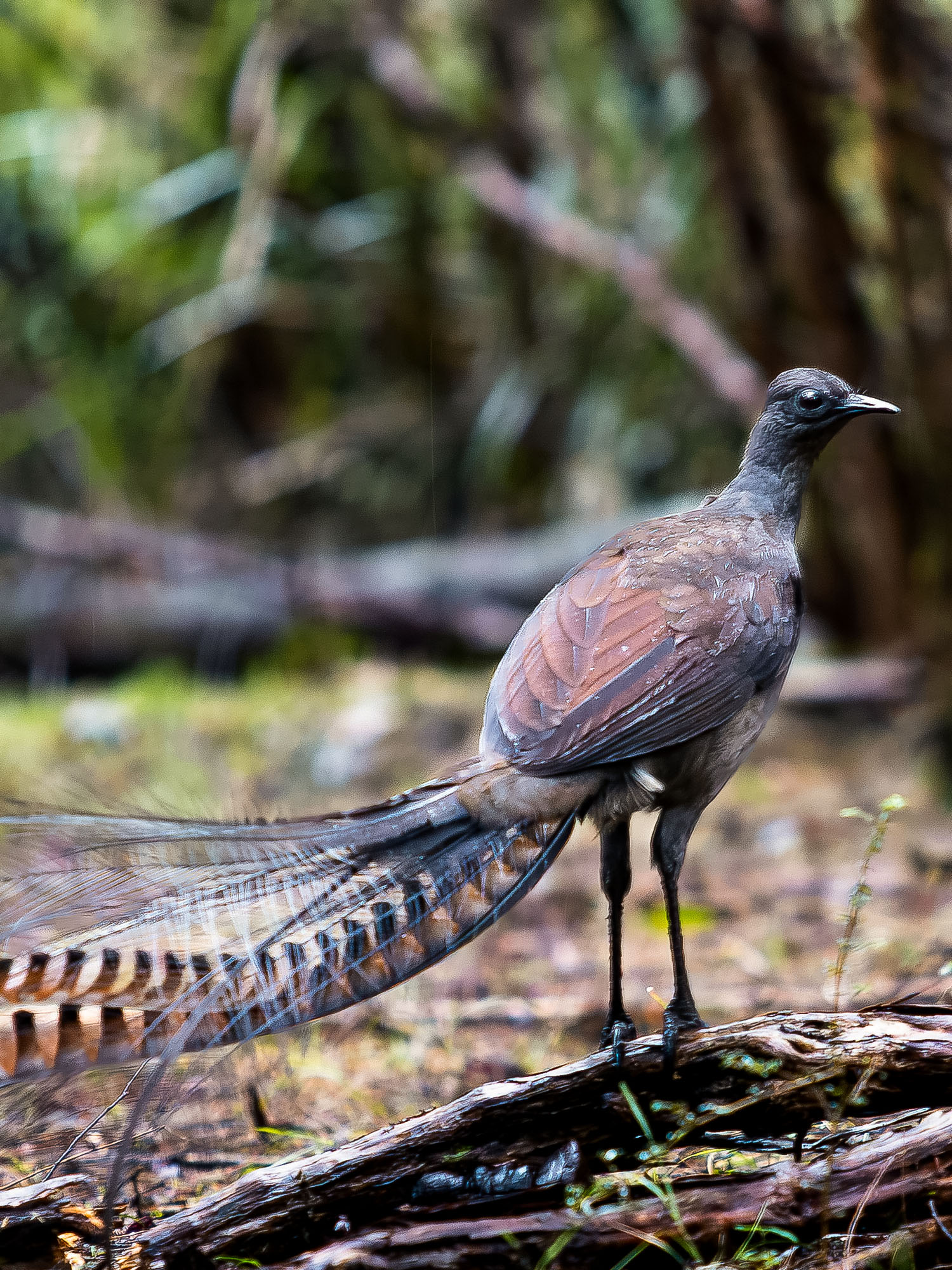
Black swamp wallabies favour the sheltered scrub, and eastern grey kangaroos occasionally visit the open areas. Superb lyrebirds are often heard before they’re seen, with extraordinary imitations of other birds woven into their calls.
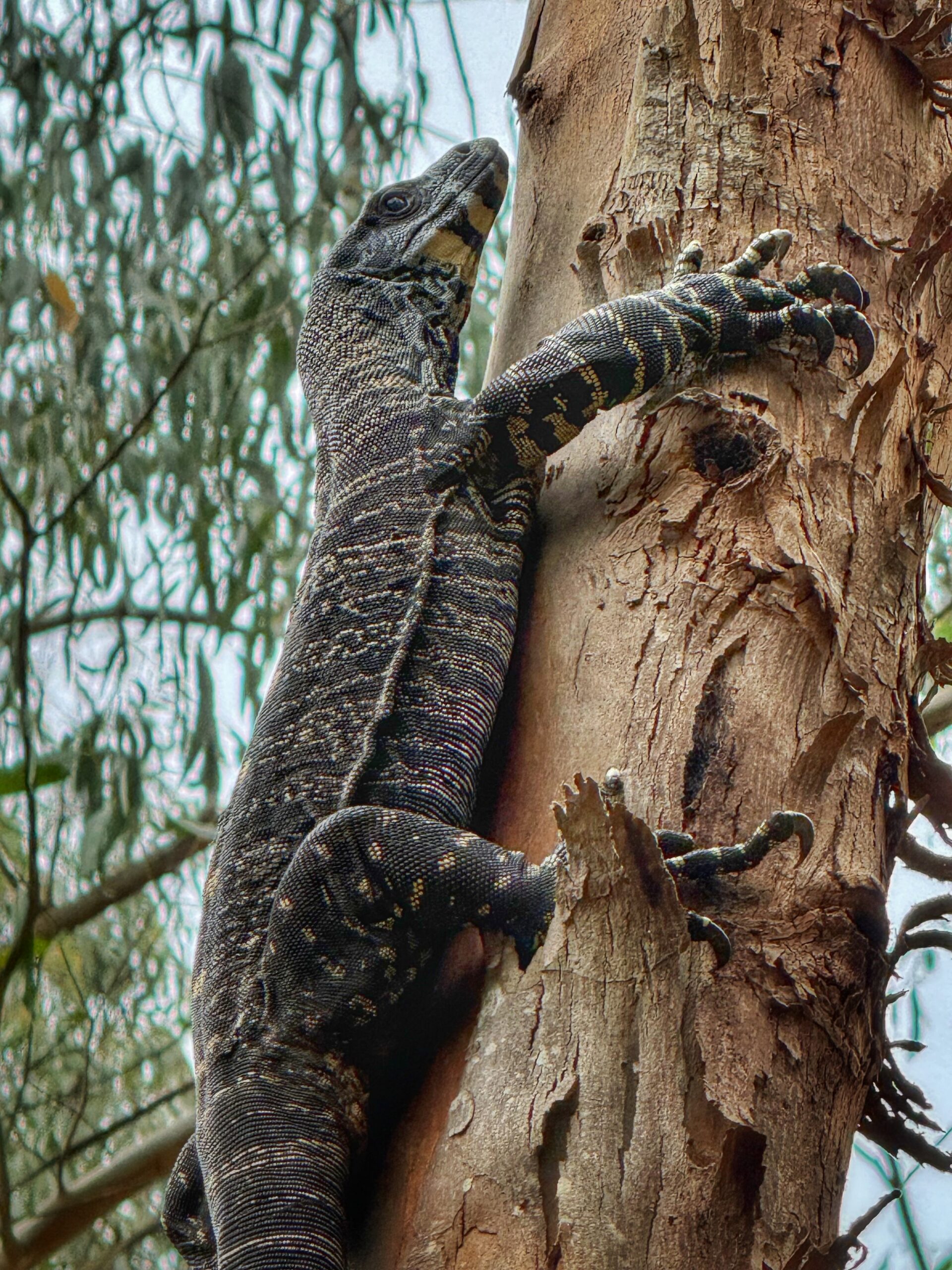
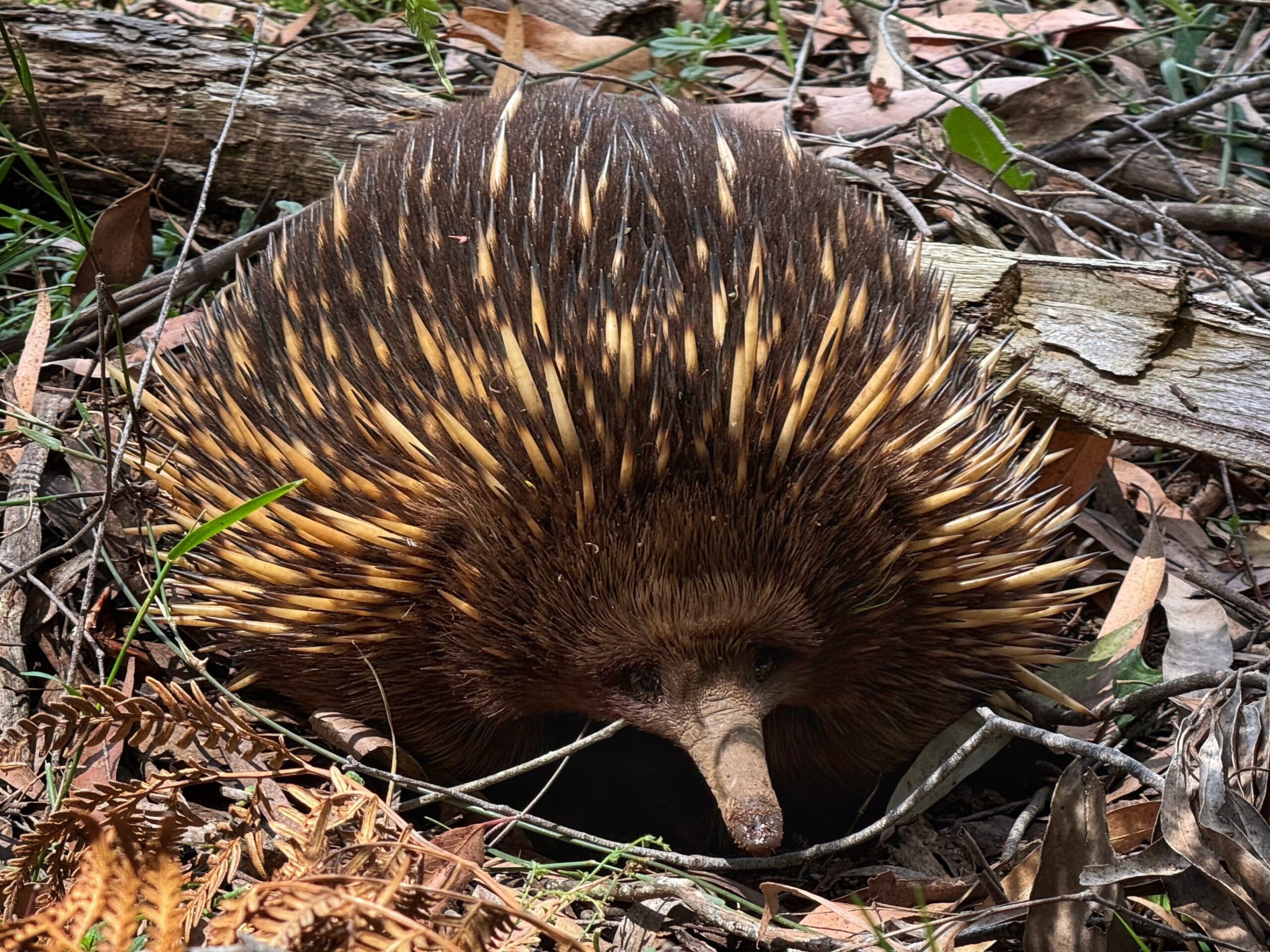
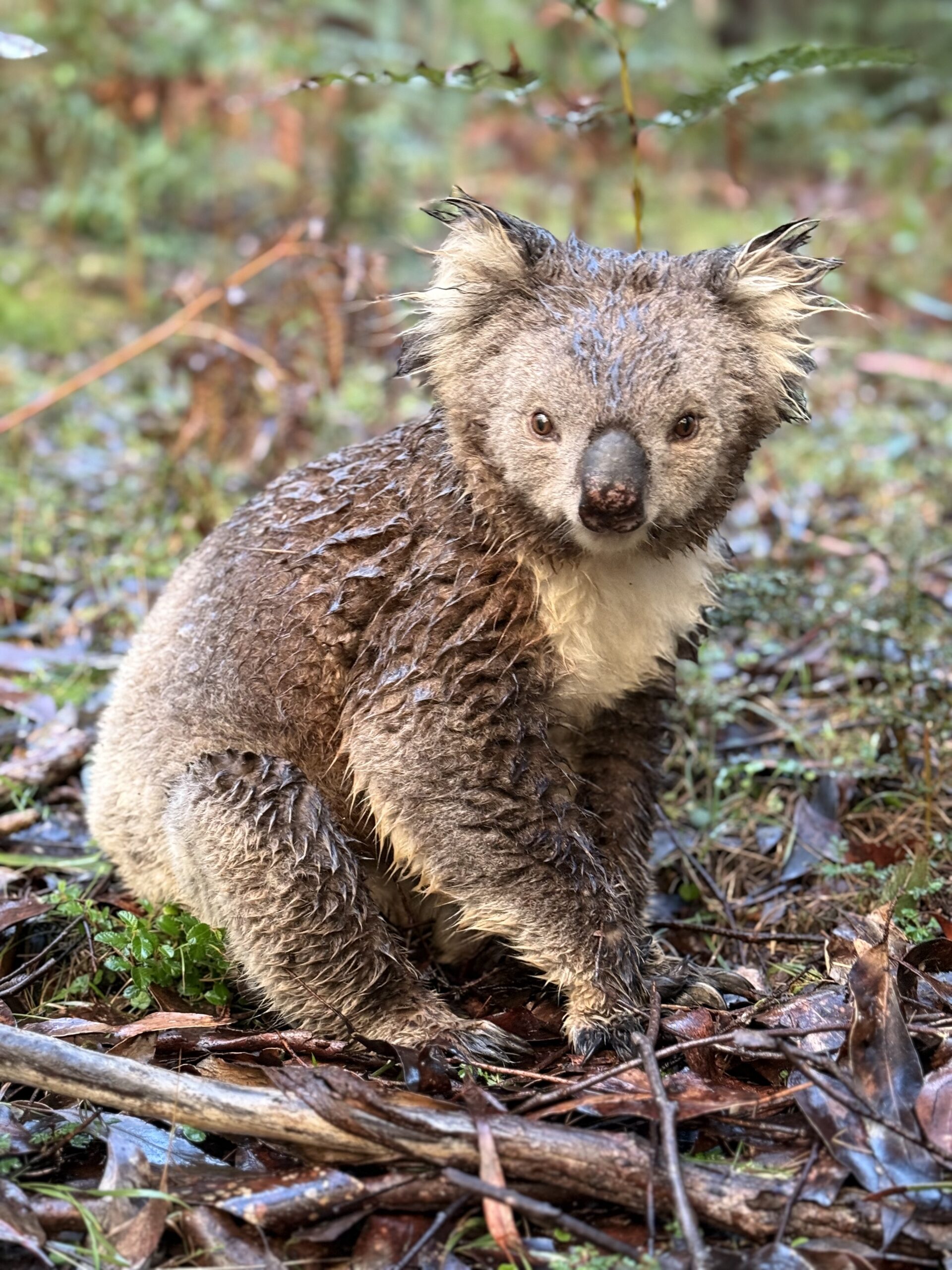
If you’re lucky you may glimpse an echidna, a lace monitor or, very occasionally, a koala. Tell us what you see. We love hearing what guests discover.
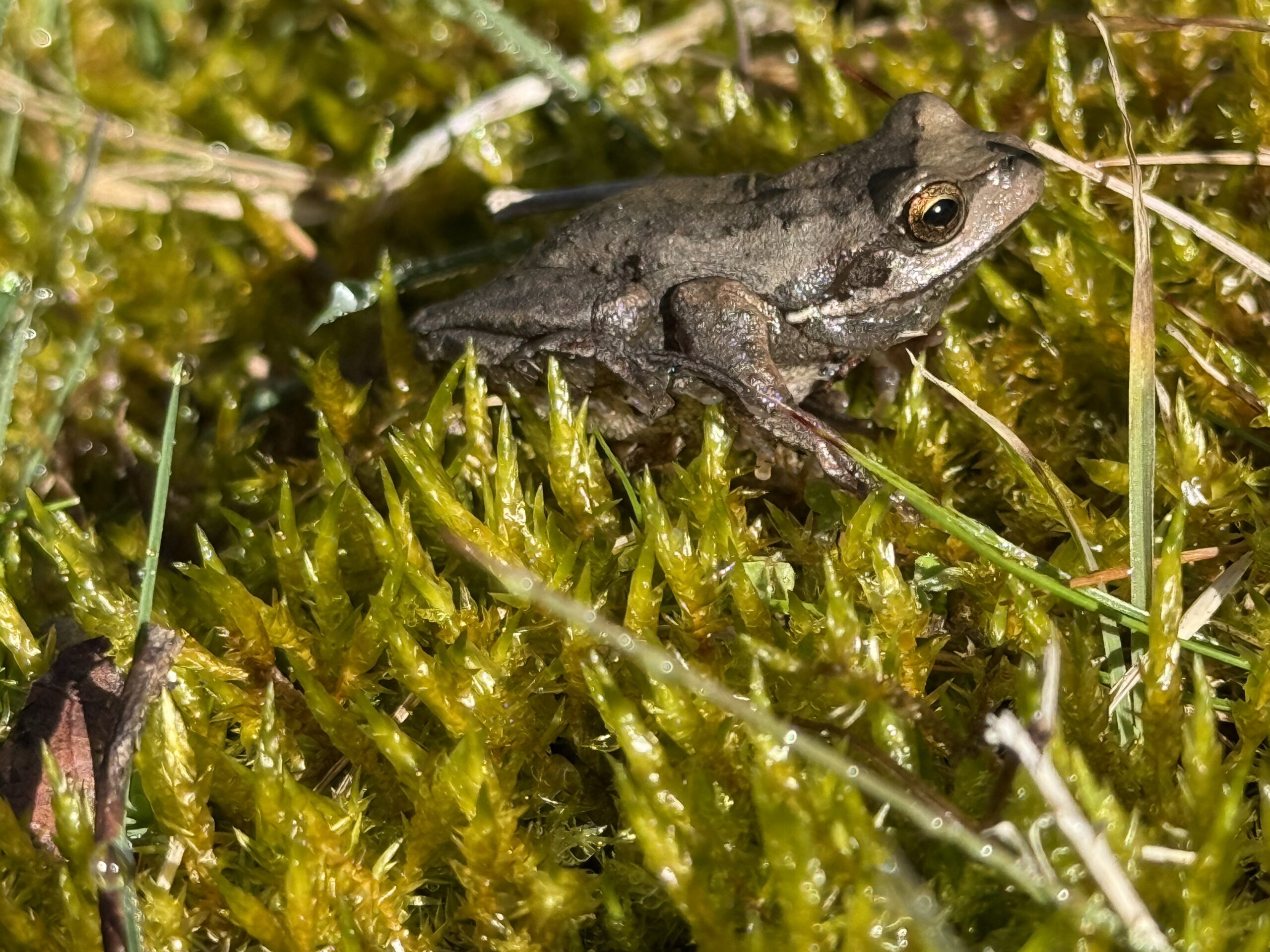
All of the photographs below were taken at Wombat’s Den, capturing some of the many wildlife.
More than 100 bird species
More than 100 bird species have been recorded at Wombat’s Den. Look for crimson rosellas, king parrots, kookaburras, currawongs, wood ducks and black ducks around the lake. Listen for the far-carrying calls of yellow-tailed black cockatoos overhead, and boobook owls after dark.
Our bird monitor listens around the property and identifies birds by their calls and can be accessed by the wifi. The free iNaturalist app can also help you identify a plant or creature you’ve noticed.
After dark
With few town lights nearby, the stars on a clear night can be extraordinary. Turn off the porch light for a little while and let your eyes adjust. Carry a torch, keep the beam low around animals, and stay near your cabin and the driveways after dark.
Caring for wildlife
- Watch from a distance and never feed the animals.
- Keep food and rubbish secured overnight.
- Drive slowly: no faster than 20 km/h on the property, and with extra care on Gembrook–Tonimbuk Road after sunset.
- If you find injured wildlife, don’t try to handle it. Call Wildlife Victoria’s 24-hour rescue line on (03) 8400 7300.